
By doing these 5 things well, campus operating costs can be saved by at least 20%

The sustainable development of training institutions' campuses is often influenced by many factors. Among them, cost control, as a key link, not only directly affects the financial situation of the campus, but also relates to the overall operational efficiency and market position improvement.
For institutions that aim for long-term development, mastering the methodology of cost management has strategic significance.
1.Why is cost management crucial
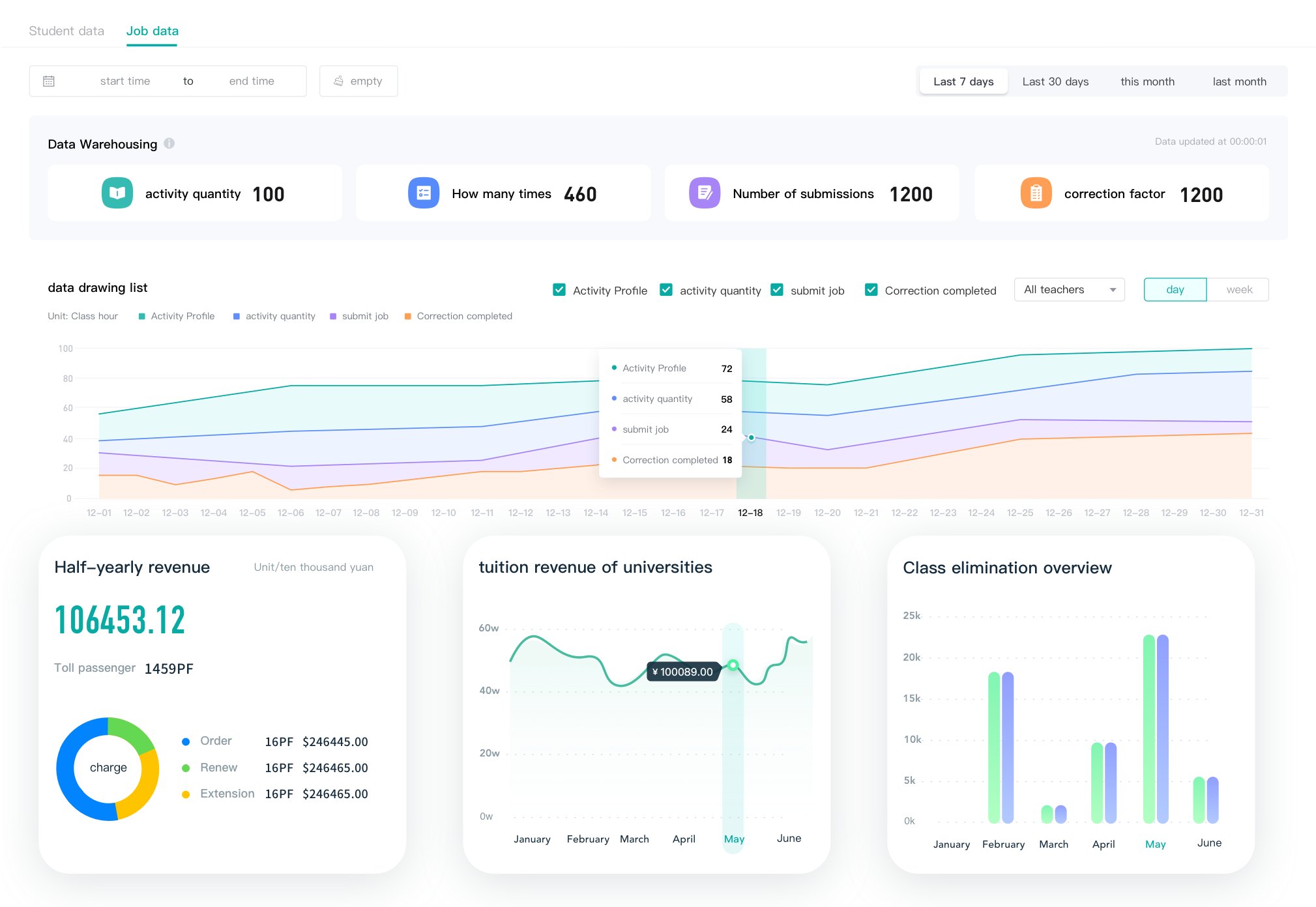
Cost management occupies a core position in the daily operation of the campus. It determines the rationality and efficiency of fund flow, and is directly related to the profitability and future development potential of the campus.
Through scientific cost control, the campus can maintain teaching quality while maximizing the value of limited resources, thereby building a stronger competitive advantage in the market.
2. Analyze the cost structure system
From the perspective of composition, campus operating costs can be divided into two categories:
Fixed costs - covering items such as venue rental expenses, depreciation of facilities and equipment, and daily maintenance expenses, which remain relatively stable over a certain period of time.
Variable costs - including the procurement of teaching materials, payment of teacher salaries, marketing investments, and other related expenses, which exhibit fluctuating characteristics with changes in campus business volume and operational activities.
Thoroughly grasping the characteristics of these two types of costs and implementing targeted management is a prerequisite for building a scientific cost control system.
3. Five implementation paths for cost control
Establishing a comprehensive cost control mechanism requires work in the following core dimensions:
Implement a precise budget system
Prepare detailed annual and quarterly financial plans, setting clear limits for various expenses.
By utilizing periodic financial verification mechanisms, ensure that actual expenditures are consistent with budgets, and take immediate corrective measures when deviations occur.
Pursuing the optimal efficiency of resource allocation
Scientifically allocate teaching resources, including: arranging teaching time slots for teachers; Optimization of venue space utilization. Ensuring that every resource is fully utilized through innovative curriculum design and the introduction of advanced teaching methods can effectively improve the quality and operational efficiency of educational services.
Improve the material procurement mechanism
By scientifically selecting partners and adopting a centralized procurement model, the procurement cost of textbooks and teaching aids can be reduced. At the same time, establish a supply chain performance evaluation system to ensure that the material acquisition process has a good cost-benefit ratio.
Scientific allocation of human resources
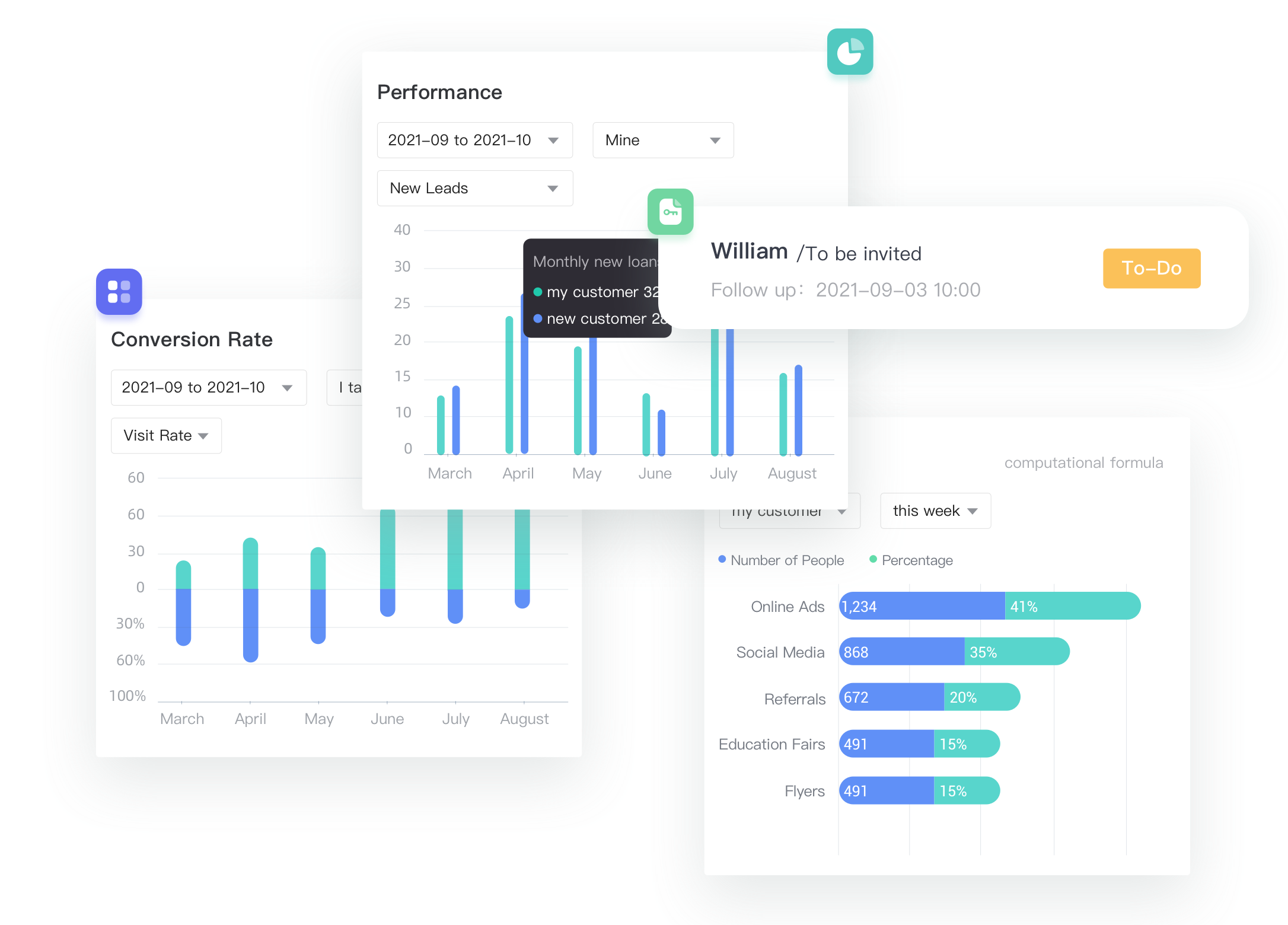
Adjust the size of the teaching team based on the actual operational needs of the campus to prevent personnel redundancy or shortage. By establishing internal training mechanisms and expanding career growth channels, we can enhance team capabilities and work output, thereby optimizing human resource costs.
Establishing a linkage mechanism between risk prevention and cost control
Another important dimension of cost management is risk prevention. This requires being sensitive to external variables such as industry dynamics and policy environment, while continuously monitoring internal governance levels and financial health.
By regularly conducting risk assessments and developing corresponding contingency plans, it is possible to effectively reduce the negative impact of various risk factors on campus operating costs.
4. How digital tools can make cost management twice as efficient with half the effort
In actual operation, many campus managers, although deeply understanding the importance of cost control, often suffer from traditional management methods. Relying on offline approval, manual bookkeeping, and Excel spreadsheets for data aggregation is not only inefficient and prone to errors, but also leads to a serious disconnect between business and financial data.
This information lag makes it difficult for strategies such as precise budgeting, real-time risk control, and resource efficiency analysis to be truly implemented, and decision-makers cannot obtain clear and real-time data support.
In the digital age, the financial management module of Artstep educational system aims to break down the barriers between business and finance, transform complex cost management processes into an automated and intelligent online solution, and help institutions achieve lean management.
Automatically collect business and financial data, generate financial data tables, and enable managers to gain real-time insights into the profitability, cost structure, and cash flow of each campus without the need for professional financial knowledge. This truly achieves "speaking with data" and provides evidence-based decision-making.