





















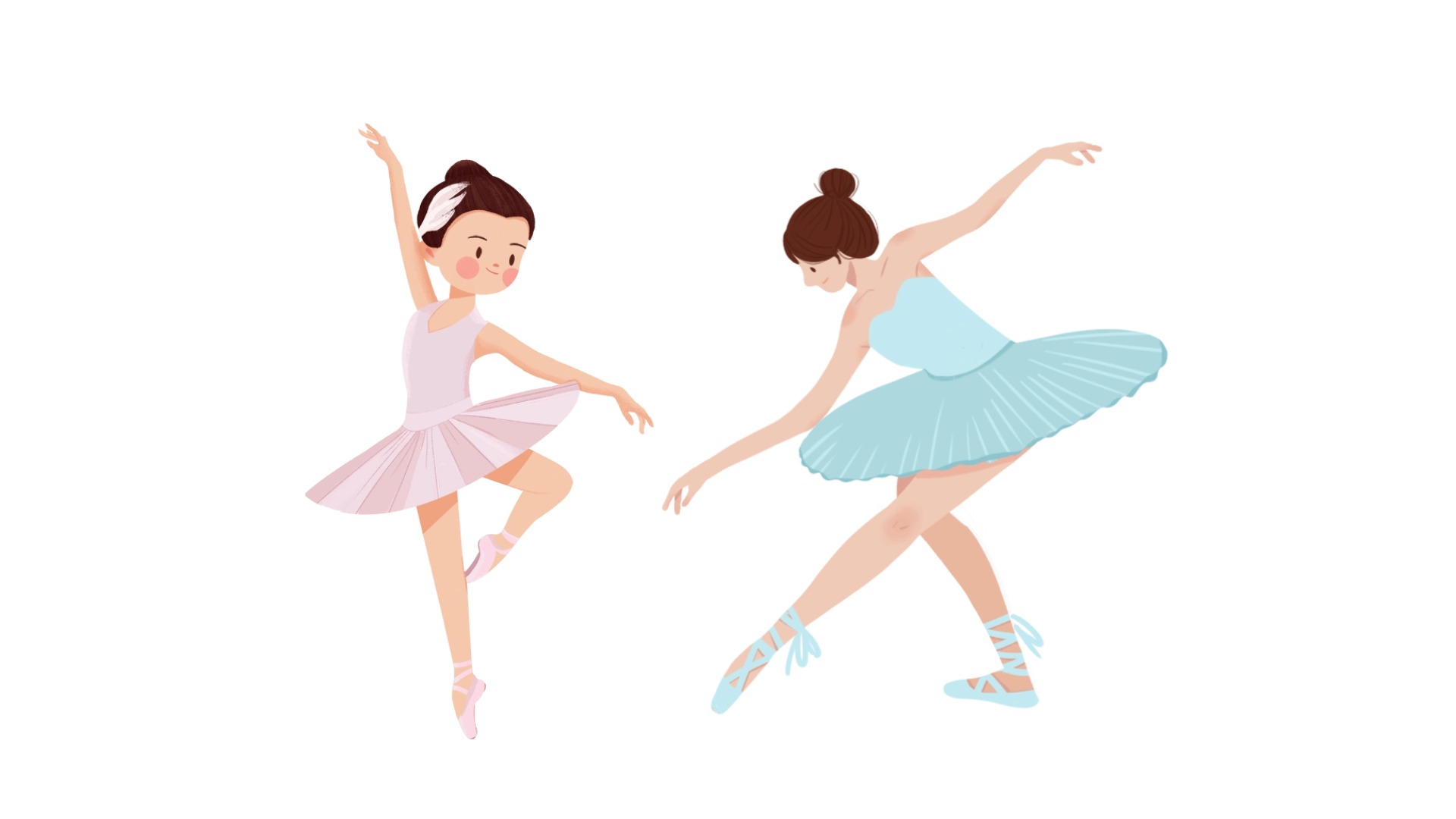
Dance Can Shape a Child’s Entire Life!
Time:2025-10-31
Source:Artstep
As children grow, parents often hope they can develop a skill or talent of their own. By the preschool years, various interest classes become a common topic in many families: some children learn piano, others study art, and more and more parents are now choosing dance as their preferred activity.
Most parents aren’t expecting their children to become professional dancers or famous performers. What they truly wish is for their children to gain grace, perseverance, good physical fitness, and the confidence and composure to face the future through dance training.
Dance is not just an art—it’s a form of holistic education. It strengthens the body, builds poise, shapes character, nurtures emotional intelligence, and develops a lifelong sense of beauty and self-confidence. Let’s explore the many benefits of dance for children from different perspectives.
1. Dance Helps Children Develop an Elegant Posture
During childhood, the body grows rapidly. Without proper posture training, children may develop bad habits such as slouching, hunching shoulders, or walking with turned-out feet. Over time, these habits not only affect appearance but may also harm spinal and bone development.
Dance training starts with the basics—chest up, head high, abdomen in, shoulders open. Though simple, these movements help children maintain good posture through consistent practice, resulting in a tall, confident appearance.
Statistics show that children who receive dance training are on average 4–8 cm taller than those who don’t, demonstrating that dance supports healthy bone development and graceful body shape. This upright, elegant posture leaves a lasting positive impression throughout life.
2. Dance Improves Coordination and Rhythm
Dance is a full-body art form that requires coordination among the hands, eyes, feet, torso, and head—all in harmony with the music. Through training, children gradually develop a keen sense of rhythm and improved body coordination.
For example:
• When spinning, they learn to control their balance.
• In group dances, they synchronize movements with others to maintain harmony.
This kind of training enhances both coordination and body control, benefiting children not only in dance but also in sports, performing arts, and daily activities.
3. Dance Increases Flexibility and Agility
Movements like splits, leg stretches, and backbends may seem tough, but they build flexibility and agility. Flexibility is a key component of physical fitness—it helps prevent injuries and makes movement more fluid and light.
At the same time, dance training strengthens muscles, balance, and control, giving children a body that is both supple and strong—a foundation for healthy growth.
4. Dance Builds Perseverance and Willpower
Behind every graceful performance are countless hours of repetitive practice. Many beginners feel pain during stretches or fatigue after long rehearsals, but it’s through perseverance that they learn discipline and endurance.
Dance teaches children that effort leads to progress. When a move isn’t perfect, they repeat it. When a routine isn’t smooth, they rehearse again and again. Over time, their determination and self-control grow stronger—qualities that will benefit them in school and in life.
5. Dance Improves Overall Physical Health
Dance may look elegant, but it’s also physically demanding. Regular practice boosts metabolism, enhances appetite and digestion, and strengthens the immune system.
Scientific studies show that dance improves cardiopulmonary function, bone density, and nervous system responsiveness. The combination of movement and music stimulates the brain, improving focus and reaction speed.
Thus, dance not only shapes a child’s outward grace but also enhances their internal health.
6. Dance Teaches Teamwork and Cooperation
Dance includes solos, duets, and group performances. A successful group dance depends on teamwork and cooperation, not just individual ability.
Through teamwork, children learn to:
• Follow rules and discipline.
• Listen to teachers and peers.
• Stay synchronized with others.
These experiences foster team spirit and collective responsibility. Children understand that even if they perform well individually, success comes from supporting the whole team—an important lesson for future social and professional life.
7. Dance Cultivates Aesthetic Sensibility
Dance combines movement and emotion. When children dance, they are not just completing steps—they are expressing feelings through their bodies.
As they move gracefully to the rhythm, they develop an appreciation for beauty. When they perform stories through dance, they learn to communicate emotion through art.
This nurtures a sense of aesthetics that helps children appreciate beauty and stay passionate and sensitive toward life and art as they grow.
8. Dance Builds Confidence
In dance training, children frequently have the chance to perform—whether in small class showcases or large recitals. Every time they step on stage, they overcome nervousness and grow braver.
With each successful performance, their self-confidence strengthens. These stage experiences also enhance psychological resilience, helping them face public speaking or teamwork presentations in the future with poise and assurance.
9. Dance Inspires Imagination and Creativity
Dance is not merely repetition—it’s expression. Children may use a movement to mimic a blooming flower, an expression to tell a story, or a short choreography to share their own ideas.
Through self-created performances, their imagination and creativity are awakened. They learn to tell stories through their bodies and express thoughts through movement. This creative process not only stimulates intellectual growth but also fosters an innovative mindset that will benefit them throughout life.
In short, dance gives children far more than beautiful movements—it builds a beautiful life. It nurtures their body, mind, and spirit, shaping them into confident, graceful, and resilient individuals who can face the world with strength and elegance.