





















Why Should Children Persist in Sports?—A Training Institution's Perspective
Time:2025-10-28
Source:Artstep
In today's social environment, children's lifestyles are becoming increasingly sedentary. Electronic devices like TVs, computers, smartphones, and tablets occupy most of their free time, while the convenience of takeout and fast food is leading to unhealthy eating habits for many children. Parents often complain: "As soon as my child gets home from school, they just lounge on the sofa playing with their phone. They don't like going out, let alone exercising."
However, from the practical experience of training institutions, persistent sports participation is far more than just "physical exercise" for a child's development; it acts as a "growth accelerator" that helps children develop holistically. A child who enjoys sports tends not only to be physically stronger but also more cheerful, confident, and proactive in their studies.
So, why do we recommend that children persist in sports? Below, we analyze this systematically from three aspects: physical, psychological, and social benefits.
I. Physical Benefits
Strengthens Physique
Sports are fundamental to a child's healthy growth. Activities like jumping rope, basketball, and gymnastics effectively promote bone development and growth. Moderate physical stress activates bone cells, making children's skeletons stronger, while also enhancing muscle strength, which in turn protects their joints.
At our institution, many children who participate in youth gymnastics initially tended to fall easily while walking and had poor coordination. After a period of systematic training, their balance significantly improved, and they even experienced far fewer falls in daily life. Parents often express surprise: "Not only is my child's physique stronger, but their movements have become much more agile."
Boosts Immunity
Children who exercise regularly generally fall ill less often than their sedentary peers. This is because physical activity promotes blood circulation, allowing immune cells to operate faster and more efficiently within the body, thereby identifying and eliminating pathogens more quickly.
For example, during peak flu seasons, most children at our institution, thanks to their consistent exercise habits, "get through it easily," with far fewer absences due to illness compared to their peers. Exercise also helps regulate hormone levels and enhances anti-inflammatory capacity, reducing children's susceptibility to minor illnesses and aches.
Improves Cardiorespiratory Function
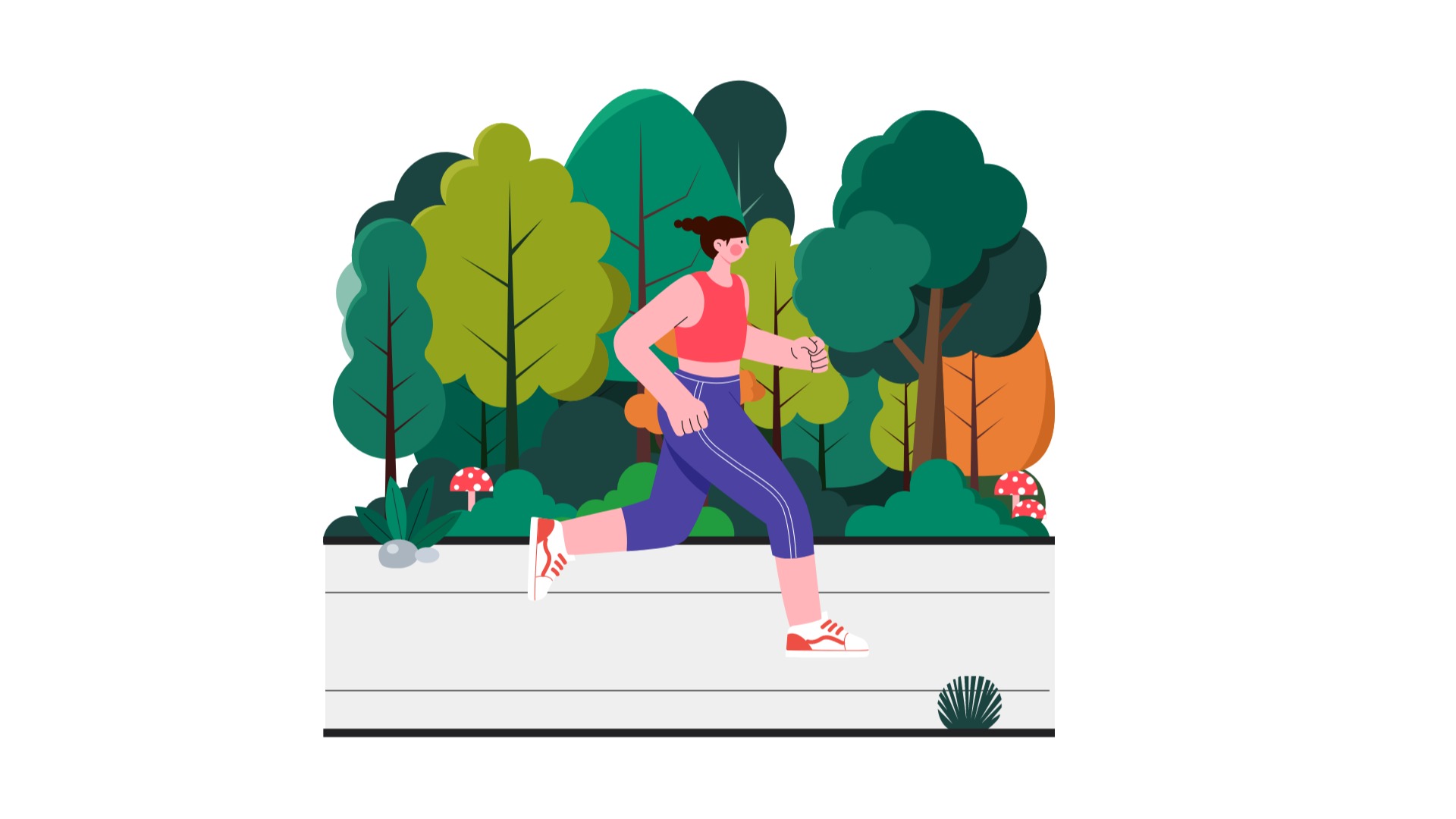
Aerobic exercises like running, swimming, and martial arts help strengthen a child's heart and lungs. As training progresses, the child's heart beats more powerfully, and lung capacity gradually increases, meaning they receive a more adequate supply of oxygen during both physical and academic activities.
For instance, one trainee used to get out of breath easily when running before class and couldn't even complete two laps around the track. After several months of consistent exercise, he can now comfortably run four laps, and his concentration in class has noticeably improved. The teacher feedback was: "The child no longer dozes off in class and is full of energy."
II. Psychological Benefits
Enhances Self-Confidence
When a child masters a new sports skill—such as learning a handstand, completing a set of martial arts moves, or scoring a crucial basket in a game—they experience a strong sense of achievement. These successful experiences accumulate and translate into self-confidence.
During training, we observe that introverted children gradually become more willing to showcase themselves through sports. For example, one young girl initially always stood in the corner, too shy to raise her hand. But after repeatedly pushing her limits in gymnastics class, she gradually gained the confidence to demonstrate movements in front of others and eventually volunteered to participate in a school sports meet. Sports truly helped her build a "I can do it" confidence.
Reduces Stress and Anxiety
Don't think only adults face pressure; children today also deal with stress from academics, exams, and social interactions. Sports serve as the most natural "stress reliever." When children run on the field or sweat it out in the dance studio, their bodies release endorphins—"feel-good" chemicals that lift their mood and significantly reduce anxiety.
Many parents report that their children become more cheerful after exercise and sleep better at night. Some children, who were previously restless and irritable while doing homework, became able to sit down quietly and complete their assignments after sticking to a sports routine.
Cultivates Perseverance and Self-Discipline
Sports are one of the best ways to cultivate perseverance in children. Activities like long-distance running and gymnastics require prolonged, repetitive practice to gradually improve. In this process, children must learn to overcome laziness and fatigue, developing a habit of "seeing things through."
Moreover, sports training usually involves strict schedules and plans. Children need to follow rules and train on time—a habit that carries over into their studies and daily life, fostering greater self-discipline. Many parents note: "Since my child started persisting in sports, they've become more organized with homework and no longer procrastinate."
III. Social Benefits
Learning Teamwork
Sports are not just about individual competition; they are also about team. This is especially true for team sports like soccer and basketball. In these activities, children learn how to pass, cooperate, and support each other. They gradually understand that no matter how skilled an individual is, winning requires collective effort—only cooperation leads to victory.
This team spirit greatly benefits children's future interpersonal relationships, study group collaborations, and even workplace performance. Many children begin to demonstrate leadership through sports, guiding team communication and coordination—a valuable growth experience.
Expanding Social Circles
Through sports, children meet more like-minded friends. These friends not only encourage each other on the field but can also become companions in their academic and daily lives.
At our institution, many children initially joined out of interest but ended up making their best friends here. Parents often say: "My child not only learned sports skills here but also made friends and became more outgoing than before."
For children, persisting in sports is like a "master key" that simultaneously unlocks the doors to physical health, psychological growth, and social development.
Physically, it helps strengthen their physique, boost immunity, and improve cardiorespiratory function.
Psychologically, it makes them more confident, reduces stress, and cultivates qualities like perseverance and self-discipline.
Socially, it teaches them cooperation, helps them make friends, and expands their interpersonal relationships.
From the perspective of a training institution, sports are not merely about skill acquisition; they are an educational approach and an indispensable part of a child's growth. For parents, helping children develop a long-term habit of exercise means laying a solid foundation of health and character for their lives.
Therefore, we strongly recommend: Let children break free from the constraints of electronic devices, head to the playgrounds and gyms, and make sports an integral part of their lives. Only then can children truly embrace a healthier, happier, and more successful future.