
The Art of Balance: Finding Harmony Between Private Lessons and Group Classes
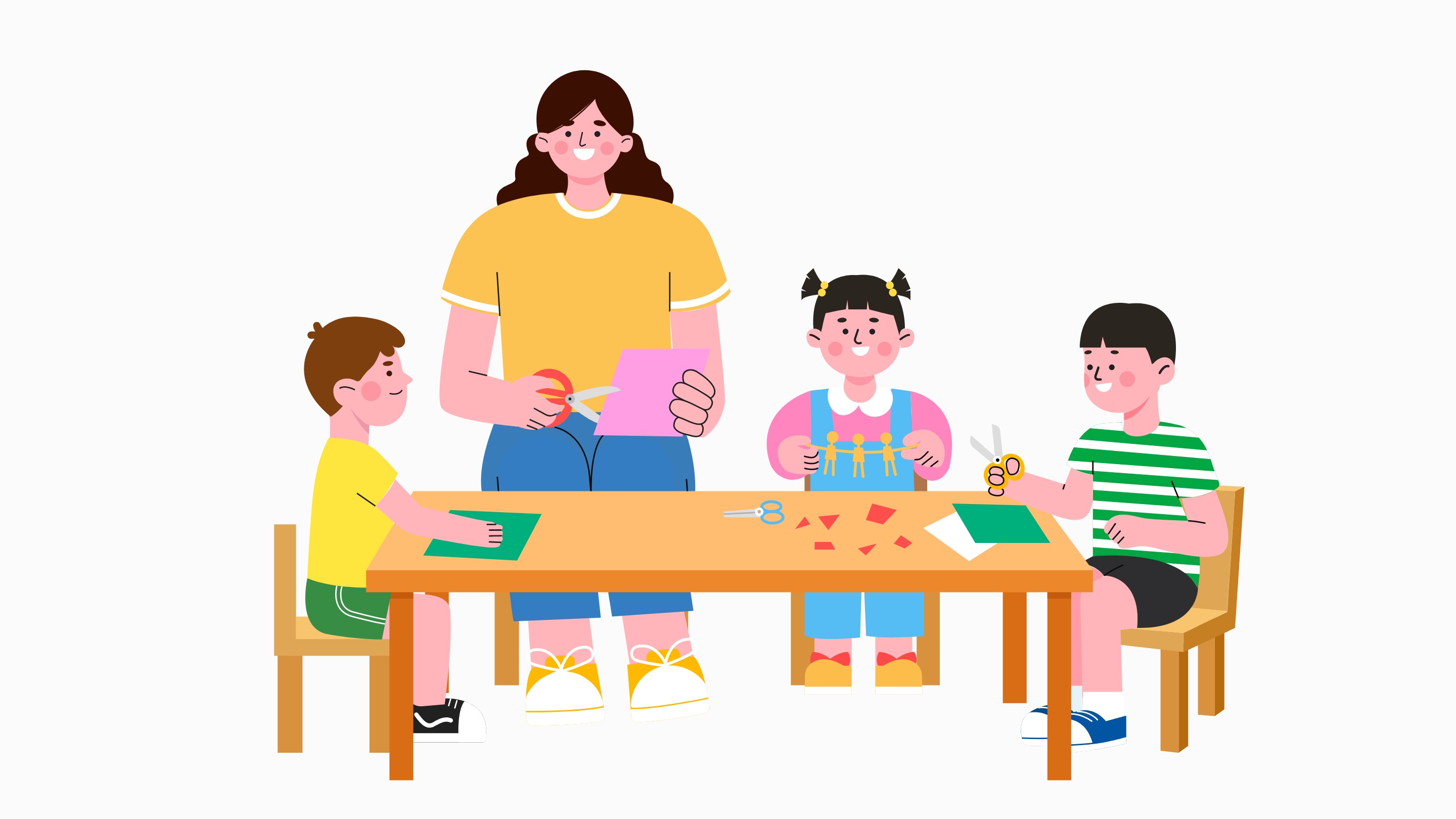
Running a successful art school is like performing a delicate balancing act. As a school owner, one of your biggest challenges is offering diverse learning formats that meet different needs. Among them, private lessons for art schools and small group classes are your two core products. Each comes with unique advantages and challenges—and your school’s success depends on finding the right balance between the two.
Why Both Private Lessons and Group Classes Matter
Incorporating both one-on-one lessons and group classes for students into your curriculum creates a more complete learning experience. Private lessons provide personalized instruction that helps students sharpen specific skills, while group classes foster collaboration, peer learning, and motivation.
When combined, these formats not only enrich the student experience but also attract a wider range of families—from beginners to advanced learners.
Balancing the two also opens up multiple revenue streams. Private lessons attract families who want customized learning, while group classes are ideal for budget-conscious parents or those seeking social learning opportunities. Together, they strengthen your reputation as a professional and inclusive art training school.
With tools like ArtStep’s scheduling software for schools, you can set up, schedule, and manage both private and group classes in one place. You can also optimize classroom use by adding workshops, birthday parties, or seasonal events—maximizing revenue and efficiency.
Try ArtStep for free and simplify your class scheduling today.
The Challenges of Balancing Both Formats
Balancing private and group lessons is not without obstacles. Scheduling conflicts often arise, especially when teachers switch between formats. On top of that, managing expectations from parents who strongly prefer one type of class can complicate daily operations.
The solution is clear communication and proactive planning. Explain your teaching philosophy and how your curriculum balances both private and group options—this builds trust and avoids friction later.
The Benefits of Each Format
Private Lessons: Personalized and Goal-Oriented
Private lessons have long been the cornerstone of arts education, offering a highly tailored learning path. Students can progress at their own pace, focus on specific goals, and enjoy one-on-one attention from their teacher.
Private lessons stand out for their unmatched customization:
- Advanced learners get intensive training for competitions, exams, or performances.
- Focused skill development helps students overcome weaknesses or master advanced techniques.
- Stronger teacher-student bonds create trust and improve long-term retention.
When marketed effectively, private art classes also position your school as a premium provider of personalized education.
Group Classes: Social, Fun, and Cost-Effective
Group classes are more than just an affordable choice—they offer unique social and collaborative benefits. Students learn teamwork, develop communication skills, and build friendships in a community-driven environment.
Group classes are especially valuable in:
- Creating collaborative learning experiences that encourage teamwork.
- Building a learning community that motivates students.
- Optimizing teacher and classroom resources for higher efficiency.
In today’s competitive market, offering high-quality group lessons for art schools can set your institution apart by combining learning with social growth.
Practical Strategies for Striking the Right Balance
Here’s how you can successfully balance both formats with the support of an art school management system like ArtStep:
Analyze demand with data Use surveys and ArtStep’s reporting tools to track parent and student preferences. Spot trends, like which time slots are popular or which class types in art schools are growing fastest.
Smart scheduling to avoid conflicts Use ArtStep’s drag-and-drop class scheduling software to manage timetables, visualize availability, and automatically detect conflicts between teachers, students, and classrooms.
Blend private and group formats Offer hybrid packages, like “Private Lesson + Group Class,” combining personalized learning with collaborative practice. Seasonal workshops and performance-based projects can also complement private instruction.
Flexible pricing and bundled packages Price private lessons as premium while keeping group classes more accessible. Encourage families to try both with bundled deals or special promotions.
Support teachers with resources Provide breaks and training to help teachers shift smoothly between formats. A supported faculty delivers higher-quality instruction.
Technology as Your Partner in Balance
Technology makes managing this balance far easier. With ArtStep’s all-in-one school management software, you can streamline everything from scheduling to payments.
- Smart scheduling: Visual calendars with automatic conflict detection.
- Automated administration: Attendance, payments, and communication handled in one platform.
- Data insights: Track student progress and personalize teaching strategies with clear reports.
By using the right tools, you save time, boost efficiency, and elevate your school’s professional image.
Final Thoughts
Balancing private lessons and group classes in art schools is not just an operational challenge—it’s an opportunity to build a stronger, more profitable, and student-centered program. With smart planning and the right school management technology, you can strike the perfect balance and grow with confidence.
Ready to achieve balance? Explore how ArtStep can transform your scheduling and school management today.